


ᐅᒋᒪᐤ ᓄᐎᔅ ᓇᑕᐛᐱᔪᐤ Naskapi Chief Louise Nattawappio
Introduction to the Naskapi Nation of Kawawachikamach
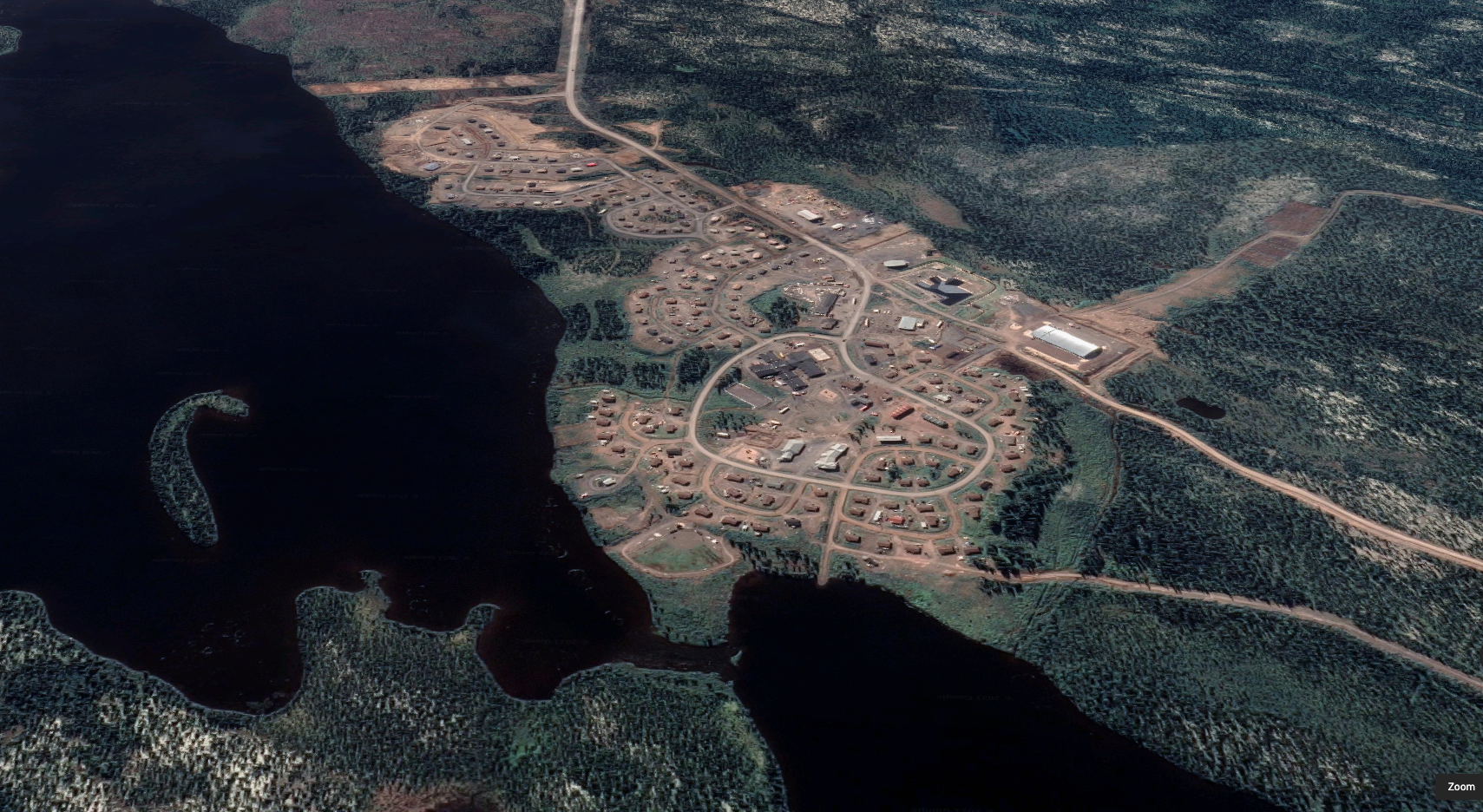
We, the Naskapi people have occupied the land of what is now northern Quebec and Labrador since time immemorial. Our ancestors were nomads, living off the land and following the caribou herds on which they depended for resources. In the 1950s, our way of life changed when most of the Naskapi people moved from Fort Chimo to the Schefferville region. The move to our actual location of Kawawachikamach took place in the early 1980s.
The Naskapi Band of Québec was created in 1984 by the Naskapi Act, making us and Cree communities the first self-governing bands in Canada. Our name changed to the Naskapi Nation of Kawawachikamach in 1999. The Naskapi Nation of Kawawachikamach has the mandate, through its council and employees, to govern, manage, offer services to its members and promote development while preserving a unique culture and language. Our history is an important part of our identity and we must continually work on preserving our culture by practicing it and ensuring that we pass it down to our future generations.

Naskapi culture is a rich legacy of arts, stories, and survival
Culture stays alive by being practiced. Here that means the things we make with our hands and the language we speak to each other.
We learn both the same way, by sitting with someone who already knows how, and we keep them the same way, by using them.
Arts
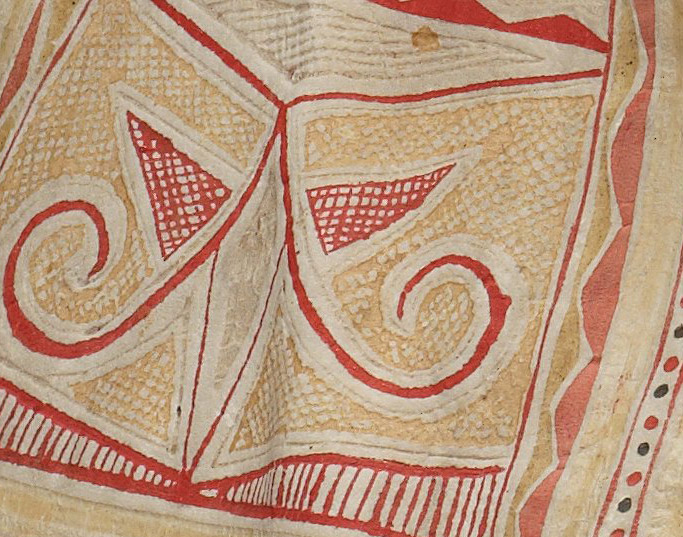
Traditionally our arts and crafts were made entirely from what the land provided: trees, fish, and above all the caribou. Our ancestors prepared their own hide, sinew, needles and tools. The Nation has supported crafting workshops in moccasins, mittens, baby swaddlers, hats, hide preparation and snowshoe weaving.
Language
Naskapi, or ᐃᔪᐤ ᐃᔨᒧᐅᓐ (Iyuw Iyimuun), is an Algonquian language written in Eastern Cree syllabics. It is closely related to Innu and to the Northern dialect of East Cree, and it remains distinct from every other language variety in the Quebec-Labrador peninsula.